
Sell As-Is or Fix Up First in Tennessee
What fixing up really costs, which repairs pay off, and when selling as-is leaves you with more.
Get Your Free Cash Offer
Takes less than 60 seconds. No obligation.
🔒 Your info is private and never shared.
The Short Answer
Should You Fix Up Your House or Sell It As-Is?
If your house needs only cleaning, paint and small fixes, and you can wait a few months, fixing it up and listing it will usually net you more. If it needs major repairs, you don't have the cash for them, or you need to sell soon, selling as-is often comes out close or ahead once the repair bills, months of payments and listing costs are counted. Compare what you'd keep, not the sale price.
Tennessee Cash For Homes buys houses as-is, so you know where we stand. When light work and a listing would pay you more, we'll say so.
The math has four parts: the price after repairs, minus what the repairs cost, minus the months of mortgage, taxes, insurance and utilities while the work and the listing happen, minus commission and closing costs. Fixing up loses when the repairs cost more than they add, or take longer than planned.
Price isn't the only factor. One recent Columbia seller's house needed paint, flooring, landscaping and minor repairs, all doable work. They chose the speed and convenience of a cash sale over paying for repairs and waiting on the market, and we closed in about a month.
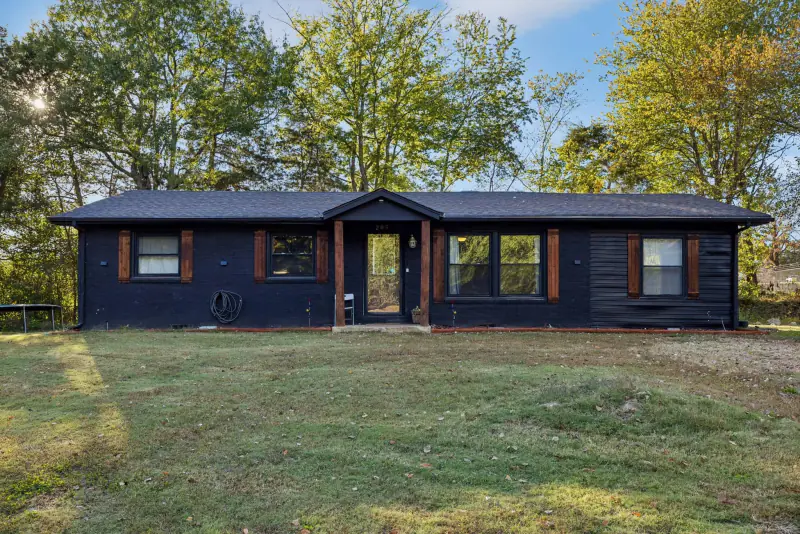
That includes houses that need a new roof, foundation work, new systems or just a lot of cleaning. If you've already decided not to fix it, here's how we buy houses as-is in Tennessee.
By the Numbers
What Repairs Return and What You're Up Against
Recent figures for Nashville and the area around it. Each one shows its source and the period it covers.
-
106.5%
Share of the cost a midrange minor kitchen remodel ($27,280) adds back at resale in Nashville.
Source: Cost vs Value 2025, Nashville (Zonda, published September 18, 2025)
-
50.8%
Share of the cost a midrange major kitchen remodel ($78,867) adds back at resale in Nashville.
Source: Cost vs Value 2025, Nashville (Zonda, published September 18, 2025)
-
20%
Share of active Nashville-area listings that cut their price.
Source: Redfin, 4 weeks ending September 20, 2026 (published September 30, 2026)
-
About 2.6
Sellers for every buyer in the Nashville area.
Source: 159.5% more sellers than buyers, Redfin, October 2026 (published November 12, 2026)
The Cost vs Value figures are estimates from a 2025 survey of real estate professionals, not actual sale prices.
Side by Side
Sell As-Is vs Fix Up: How the Two Options Compare
Green marks the better option on each factor. Red marks the drawback.
| Factor | Sell As-Is to UsAny condition, no repairs | Fix Up, Then List |
|---|---|---|
| Upfront cost | Advantage: Nothing upfront We pay the closing costs | Drawback: You pay first Repairs before any sale |
| Time before you sell | Advantage: No repair wait You pick the closing date | Drawback: Repairs come first Then market time and the buyer's loan |
| Stress | Advantage: Nothing to manage No contractors or bids | Drawback: You run the project Bids, schedules, permits |
| Risk | Advantage: Price set up front No budget to overrun | Drawback: Costs can grow Hidden damage and delays |
| Showings | Advantage: One walkthrough | Drawback: Many showings Plus photos and open houses |
| Inspection surprises | Advantage: No repair requests We buy it as it stands | Drawback: New requests likely The buyer's inspector can find more |
| Buyers who can bid | Drawback: One offer to weigh Get more than one if you want to compare | Advantage: Most buyers Lenders finance a house in good repair |
| Sale price | Drawback: Lower price Priced for the repairs we take on | Advantage: Higher price If the work is done well |
| What you walk away with | Lower price, nothing spent on repairs or listing | Higher price, minus repairs and costs |
Your mortgage payoff and any liens come out of the sale either way.
If You Do Fix It Up
Which Repairs Usually Pay Off Before Listing
General guidance, not a rule: every house and market is different. An agent can tell you what buyers near you expect.
Usually worth doing
Cleaning and decluttering
The cheapest thing that helps. Buyers notice the house, not your belongings, and it helps even if you sell as-is.
Fresh paint where it's worn
Neutral paint in scuffed or bold rooms makes a house look cared for. Touch-ups often do as much as repainting everything.
Small fixes buyers notice
Leaky faucets, cracked tiles, sticking doors, dead outlets. Left alone, small problems make buyers guess at bigger ones and offer less.
Floors you can refresh
Professional carpet cleaning or refinishing hardwood often does more for the money than replacing floors.
Curb appeal basics
A mowed lawn, trimmed shrubs, fresh mulch and a clean front door. It's the first thing buyers see, in person and in photos.
Repairs a buyer's loan needs
A leaking roof, a dead HVAC system or a safety hazard can hold up FHA or VA financing until it's fixed. Ask an agent what lenders near you flag.
Usually not worth it right before selling
Full kitchen or bath remodels
Big remodels rarely add back their full cost at sale, and they push your listing back by weeks or months.
High-end upgrades
Luxury finishes and premium appliances are a matter of taste. Buyers often won't pay extra for choices they didn't make.
Additions and finished basements
Large, permitted projects with long timelines and the most room for overruns.
Cosmetics over major problems
New paint won't help if the roof, foundation or systems need work. The buyer's inspector will find it.
Anything you can't finish
A half-done project can look worse to buyers than the original.
Not sure which list it's on?
Ask an agent what the house would sell for with and without the repair, and compare the difference with a written bid. Our guide to getting the most money has more.
What Can Go Wrong
The Hidden Risks of Fixing Up First
A repair bid is a starting point. Here's what tends to add time and money once the work begins.
Contractor delays
Good contractors are booked out, and one late trade holds up the next. Every week of delay is another week of payments.
Permits and inspections
Electrical, plumbing, HVAC and structural work usually needs a permit and an inspection, which add time. Work done without one can come up when you sell.
Budget overruns
Opening a wall or pulling up a floor can uncover rot, water damage, old wiring or termite damage. Plan for the bid to grow.
Carrying costs
Mortgage, property taxes, insurance and utilities keep running while the work happens and while the house is listed. If it sits empty, check what your insurance covers.
Inspection surprises
Even after repairs, the buyer's inspector can find something new. Buyers usually ask for repairs or a credit, and the price you counted on can shrink.
Same either way
Tennessee's disclosure law (TCA 66-5-201 and following) applies whether you fix the house or not. More in our as-is disclosure guide, and on unpermitted work.
Which One Fits
When Each Option Is the Better Choice
Fixing it up usually makes sense when
- The work is mostly cosmetic: cleaning, paint and small fixes.
- You can pay for the repairs without straining your budget.
- You can cover the payments through the work and the listing.
- You have a contractor you trust and time to oversee the job.
- Homes like yours near you sell quickly once they show well.
Get a written repair bid and ask an agent what the house would sell for after the work. If the price gain is smaller than the bid plus a few months of costs, the repairs don't pay.
The smaller and more predictable the work, the more fixing up tends to pay.
Listing guides: get the most money · how long it takes
Selling as-is usually makes more sense when
- The house needs major work: roof, foundation, HVAC, plumbing or wiring.
- You don't know what the repairs would cost, or can't pay for them.
- You need to sell by a certain date.
- The house is inherited, vacant or far from where you live.
- An inspection already turned up problems, or a sale fell through.
Get a written as-is offer and set it next to the after-repair price, minus the repairs, the months of costs and the listing costs. Go with what you'd keep.
The bigger and less certain the repairs, the more selling as-is tends to make sense.
We buy in Columbia · Murfreesboro · Franklin · all areas
Two Ways to Sell As-Is
Selling As-Is With an Agent or to a Cash Buyer
As-is with an agent
You can list a house as-is. The listing says the price reflects the condition and that you won't make repairs. You still pay commission, host showings and wait on the buyer's inspection and loan.
Many lenders won't finance a house with major problems, so your buyers are often cash buyers, investors and people with renovation loans.
As-is to a cash buyer
No repairs, no showings and no lender. We make a written offer, pay the closing costs and charge no commission, and you pick the closing date.
The price is lower than a fixed-up sale would bring, because it covers the repairs and risk we take on. Here's how we buy houses as-is.
“A seller who had bought a Columbia home with cash a year earlier had a family emergency back home and needed to sell immediately. Her agent's listing wasn't getting the price she needed, so she and her agent reached out to us. The house only needed paint and landscaping. We closed in under three weeks and handled the belongings she left behind.”
For costs, timelines and when listing nets more, see our full cash buyer vs agent comparison.
This page is general information, not legal or tax advice. For an estate, divorce or tax question, talk to a Tennessee attorney or CPA.

Why Homeowners Choose Tennessee Cash For Homes
When you call, you talk to us, not a call center or an out-of-state company. We have been buying houses in Maury County for 7+ years and have bought over 100 homes there. We are a Middle Tennessee family owned business that believes in doing business the right way.
- Based Right Here in Middle Tennessee
- Family Owned and Relationship Focused
- Fair and Straightforward Cash Offers
- No Cleaning, No Repairs, No Hidden Fees
- Flexible Closing on Your Timeline


Common Questions